The wellness world is buzzing with plant-based options — and two that often get mentioned side by side are CBD (cannabidiol) and kratom. At first glance, they might seem like they belong in the same category, but in truth, they’re very different plants with very different effects, safety profiles, and legal landscapes. Here’s a clear breakdown to help you sort fact from hype.
What Is CBD?
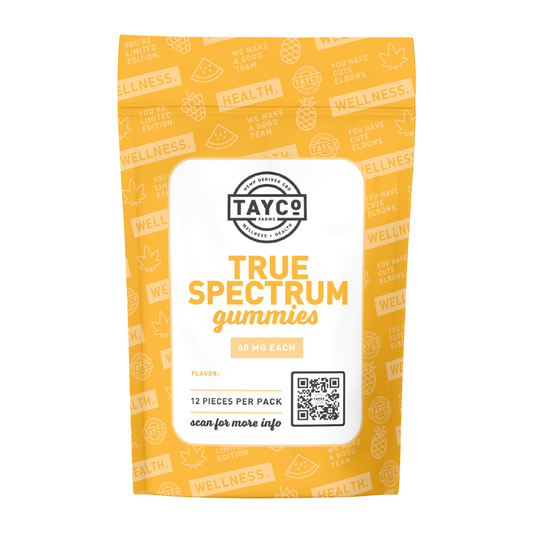
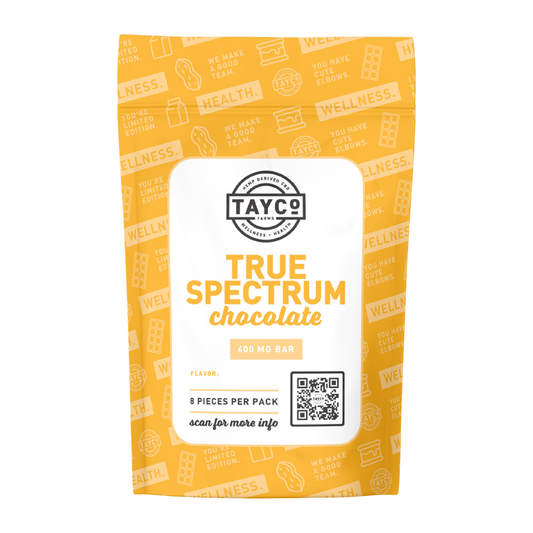
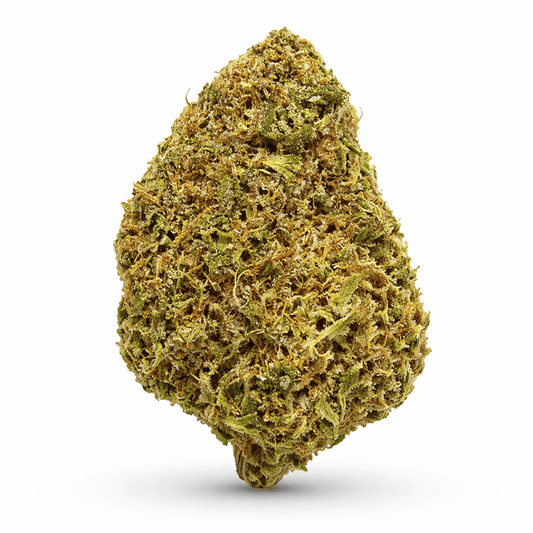
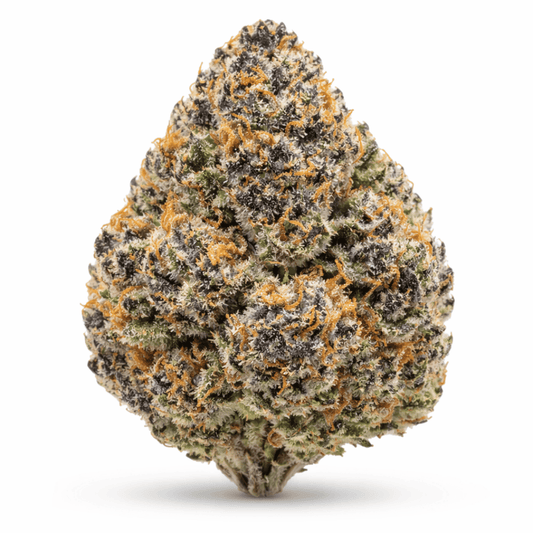
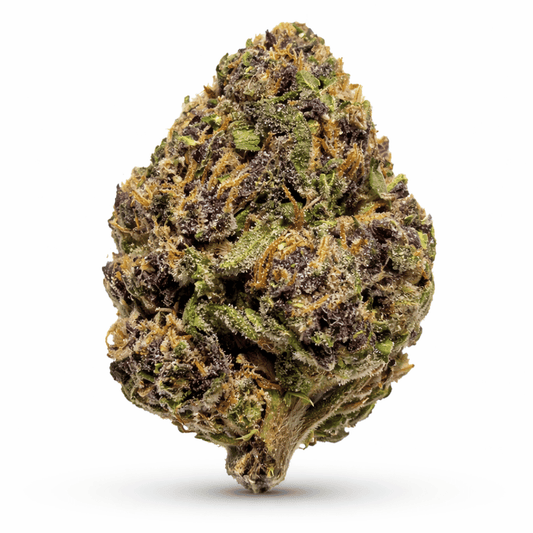
CBD is a cannabinoid compound found in hemp and cannabis plants. It’s non-intoxicating, meaning it doesn’t cause a “high,” and it’s widely used for relaxation, balance, and overall wellness. At TayCo Farms, we focus on solventless, TruSpectrum™ CBD products that preserve the natural cannabinoids and terpenes of the hemp plant.
Key traits of CBD:
-
Derived from hemp (federally legal under the 2018 Farm Bill if under 0.3% Delta-9 THC).
-
Works with your body’s endocannabinoid system to support balance.
-
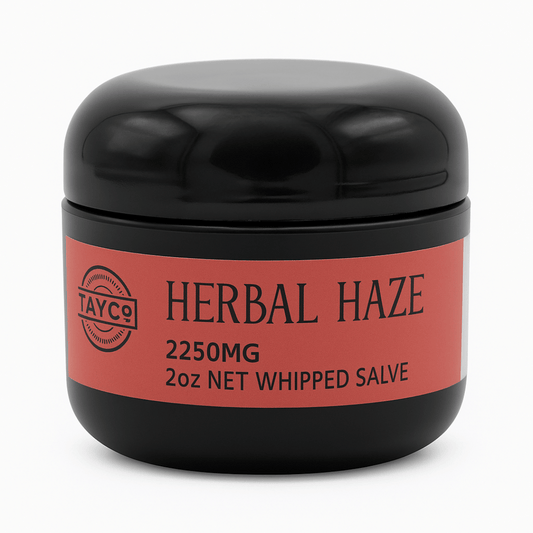
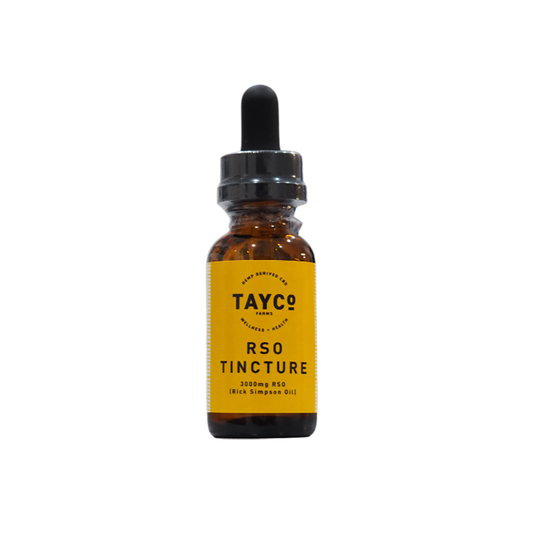
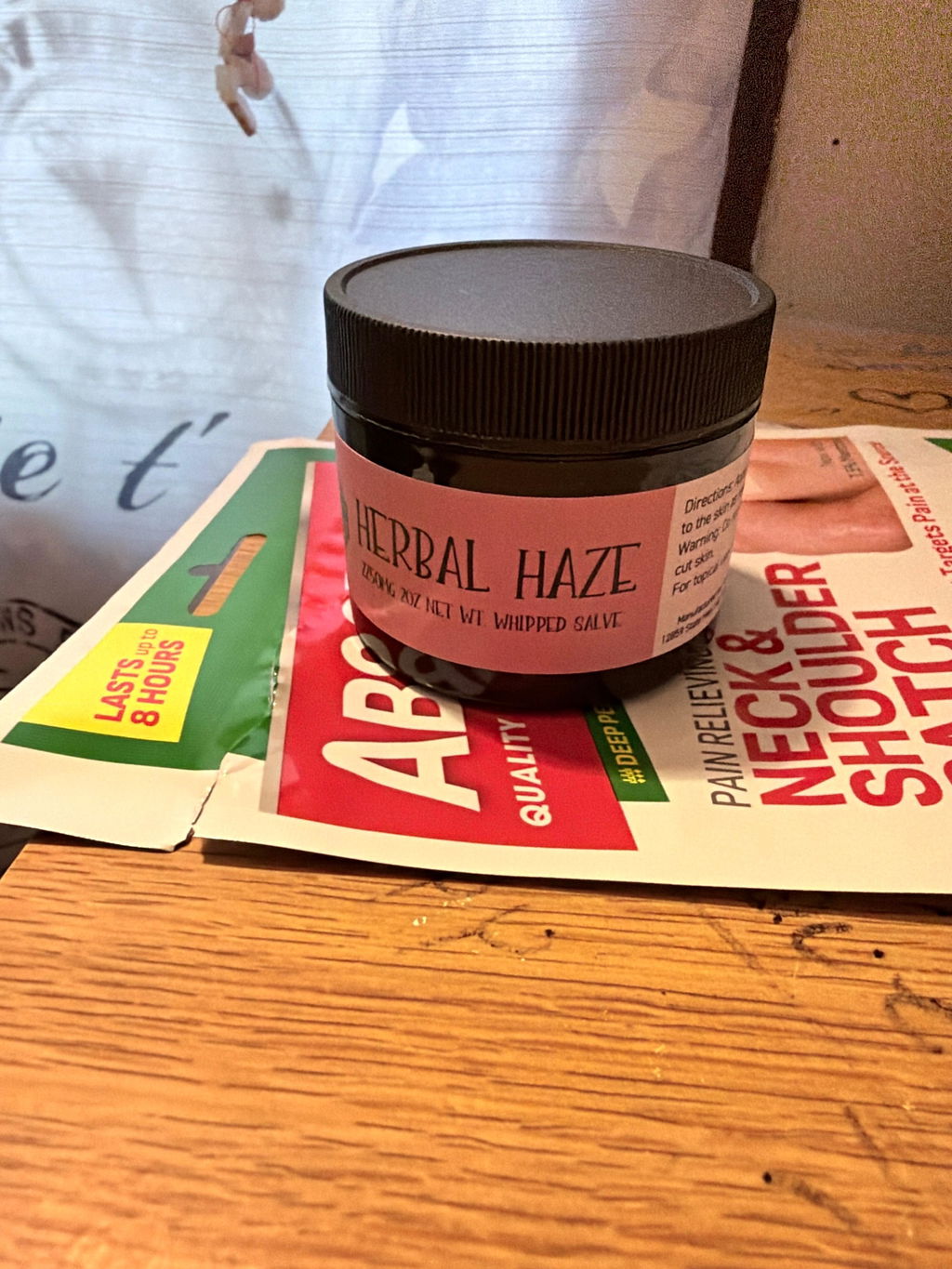
Comes in oils, edibles, topicals, capsules, and more.
What Is Kratom?
Kratom comes from the leaves of the Mitragyna speciosa tree, native to Southeast Asia. Unlike CBD, kratom contains alkaloids that interact with opioid receptors in the brain. Effects vary widely depending on strain, dose, and individual body chemistry.
Key traits of kratom:
-
Acts as a stimulant in low doses, sedative-like in higher doses.
-
Can be addictive and comes with withdrawal risks.
-
Sold as powders, capsules, or teas — but products are often unregulated.
-
Legal status varies widely across states and countries.
The Core Differences
| Feature |
CBD (Cannabidiol) |
Kratom (Mitragyna speciosa) |
| Plant source |
Hemp (Cannabis sativa L.) |
Kratom tree (Southeast Asia) |
| Key compounds |
Cannabinoids + terpenes |
Alkaloids (mitragynine, 7-HMG) |
| High/Intoxication |
Non-intoxicating |
Can act like stimulant or sedative |
| Safety |
Non-addictive, well-studied |
Risk of dependence, limited studies |
| Legality |
Federally legal hemp (under 0.3% THC) |
Mixed legality, some states ban it |
Why the Confusion?
Both CBD and kratom are marketed in smoke shops, gas stations, and online stores, often lumped together as “natural alternatives.” But the overlap is mostly about retail channels — not similarity in how they work.
CBD is widely viewed as a safe, plant-based option when sourced from trusted, lab-tested farms. Kratom, on the other hand, is still under scrutiny by health agencies and lacks the same regulatory safeguards.
How to Choose Safely
-
Read lab reports (COAs): With CBD, look for batch testing that shows cannabinoid and terpene content plus screenings for pesticides and heavy metals.
-
Know your state laws: CBD from hemp is federally legal; kratom legality is patchy and may change.
-
Ask about sourcing: Was the product grown on a transparent farm or mass-marketed with no info on origin?
The Bottom Line
CBD and kratom aren’t interchangeable. CBD supports wellness through your endocannabinoid system, while kratom acts on opioid pathways and carries risks of dependency. If your goal is safe, consistent, plant-based balance, CBD — especially solventless and lab-tested like TayCo Farms produces — is the clear choice.






0 comments