Not all CBD products are created equal. Between slick labels, trendy buzzwords, and inconsistent standards, it can be tough for customers to know what’s actually worth their money. At TayCo Farms, we believe informed shoppers are empowered shoppers. Here’s how to cut through the noise and spot true quality.
1. Read the Label Like a Pro
A trustworthy CBD product should make things clear upfront:
-
Source – Is it hemp-derived and grown in the U.S.?
-
Type – Full spectrum, broad spectrum, or isolate.
-
Strength – Milligrams of CBD per serving, not just per bottle.
If the label feels vague or overly flashy, that’s usually a red flag.
2. Look for COAs (Certificates of Analysis)
Independent lab reports are your best friend. A real COA should:
-
Match the batch number on your product.
-
List cannabinoids (CBD, THC, CBG, etc.) in milligrams.
-
Show tests for contaminants like pesticides or heavy metals.
If you can’t easily find the COA online, or the QR code doesn’t work, that’s a brand to walk away from.
3. Packaging Matters More Than You Think
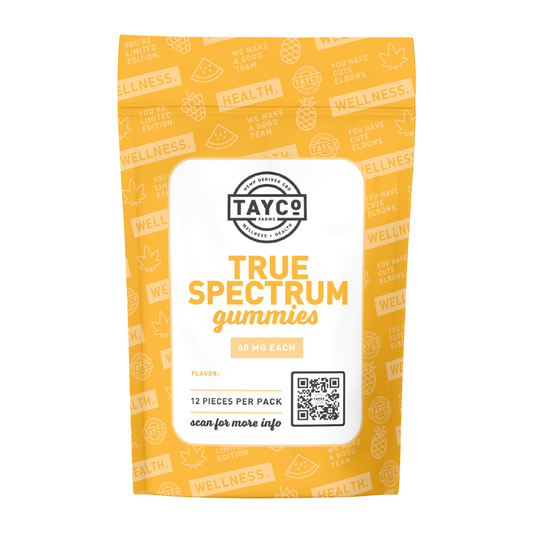
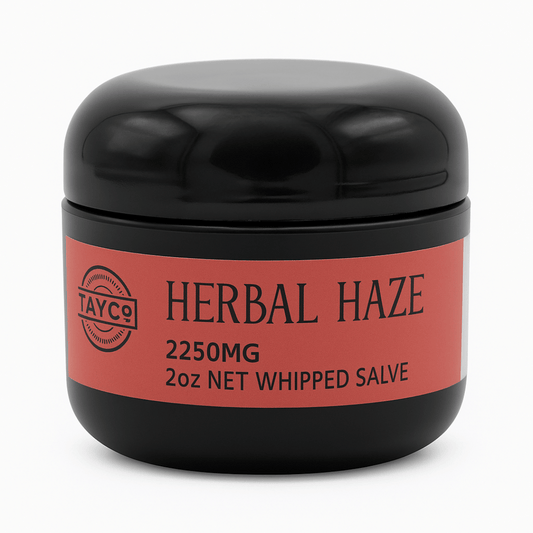
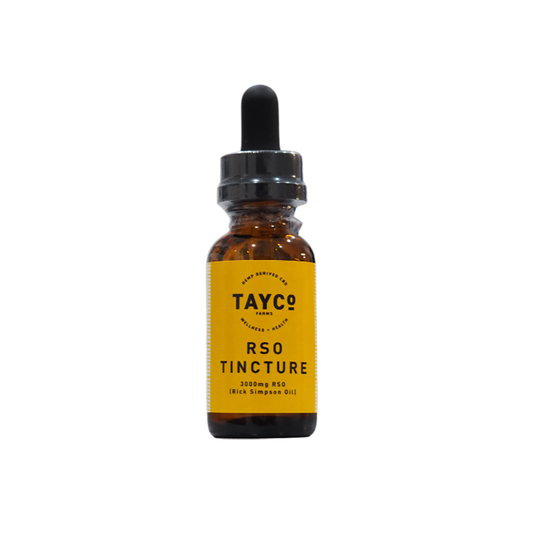
Cheap plastic dropper bottles or flimsy bags can let in air and light, breaking down cannabinoids faster. Amber glass jars and high-quality packaging keep your CBD fresher, longer.
4. Know the Difference Between Hype and Substance
Trendy phrases like “nano-CBD”, “celebrity-endorsed”, or “fast-acting miracle oil” might sound exciting, but they don’t replace good farming and proper lab testing.
5. Why TayCo Puts Consumers First
We built our farm-to-bottle model around transparency. That means:
-
Every batch is tested and posted.
-
Packaging is designed for freshness.
-
No gimmicks — just quality you can trace back to the source.
Because when you spend money on wellness products, you deserve honesty, not smoke and mirrors.
Quick FAQ
Q: How do I know if a CBD product is real or fake?
Check for lab reports, batch numbers, and sourcing details. If they’re missing, it’s likely not worth your trust.
Q: Does packaging really affect CBD?
Yes. Air, light, and heat can degrade cannabinoids. Good packaging protects your investment.
Q: Why do some CBD oils cost more than others?
Cheaper often means corners cut — in farming, testing, or packaging. Premium products reflect quality at every step.
👉 Bottom line: Don’t settle for marketing hype. As a consumer, you have the power to demand transparency, freshness, and real value in every drop of CBD you buy.






0 comments