If you’ve ever opened a lab report and felt like you were reading a chemistry exam, you’re not alone. This guide breaks down exactly how to read a hemp COA (Certificate of Analysis) in plain English—especially for THCa flower, Delta-9 edibles, tinctures, and RSO-style products.
Keyword focus: how to read a hemp COA in Texas (Certificate of Analysis), THCa, Delta-9 THC, Total THC, lab results, potency panel.
What a COA (Certificate of Analysis) Actually Proves
A COA is a third-party lab report that confirms what’s in the product—most importantly:
-
Potency: cannabinoids like CBD, THCa, Delta-9 THC, etc.
-
Compliance markers: hemp-derived thresholds and labeling accuracy
-
Safety screening: common panels include residual solvents, pesticides, heavy metals, and microbials (varies by product and batch)
Think of it as the “nutrition label + audit trail” for cannabinoids.
Start Here: Match the Batch (This Step Matters Most)
Before reading numbers, make sure the COA matches your product:
-
Product name matches the listing
-
Batch/Lot number matches the package (or the listing’s batch reference)
-
Test date is relevant to the batch you’re buying
If the batch doesn’t match, the rest of the COA doesn’t matter.
Potency Panel Basics: The 3 Numbers Everyone Should Understand
Most customers get tripped up by the difference between THCa, Delta-9 THC, and Total THC. Here’s the simple breakdown:
1) THCa
THCa is the “acid” form that can convert into Delta-9 THC when heated (smoked/vaped). COAs for flower often show THCa as the dominant cannabinoid.
2) Delta-9 THC
Delta-9 is the cannabinoid most people recognize as “THC.” In hemp products, this is the one that’s commonly used for compliance thresholds and serving calculations—especially for edibles and tinctures.
3) Total THC
Total THC is typically a calculated value that estimates how much Delta-9 THC could exist after conversion from THCa. You’ll often see it expressed as a formula like:
Total THC = (THCa × 0.877) + Delta-9 THC
That 0.877 is a conversion factor labs use to estimate the max potential Delta-9 after decarboxylation.
How to Read THCa Flower COAs (Percent vs. Milligrams)
Flower COAs usually show potency as a percentage by weight (example: “THCa 28.33%”). That’s different from edibles, which are usually mg per serving.
What “28% THCa” means in real terms
Percent means grams of cannabinoid per 100g of flower. It’s best used for comparing batches/strains—not as an exact “how it’ll feel” prediction.
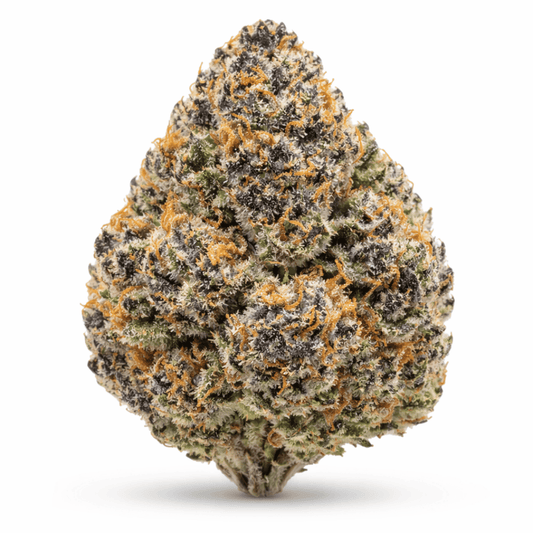
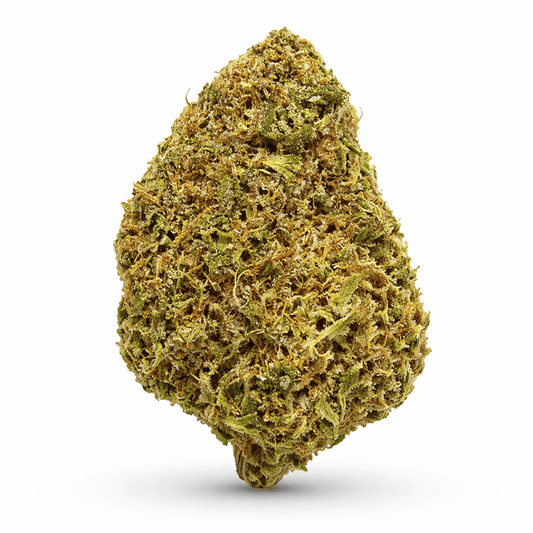
If you want to explore high-potency THCa flower with clear labeling, check product pages like:
How to Read Delta-9 Edible COAs (Serving Size Is Everything)
Edibles and gummies are usually easiest to understand because they’re labeled in mg—but only if you pay attention to serving size.
Look for:
-
mg per serving (example: 10mg Delta-9 per gummy)
-
servings per container (example: 12 gummies)
-
total mg per package (example: 120mg total)
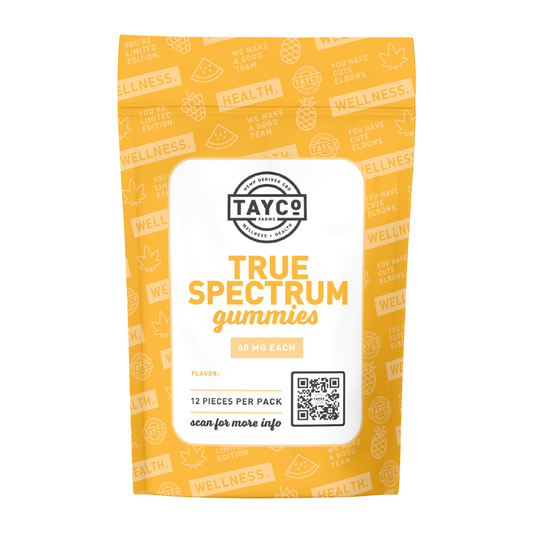
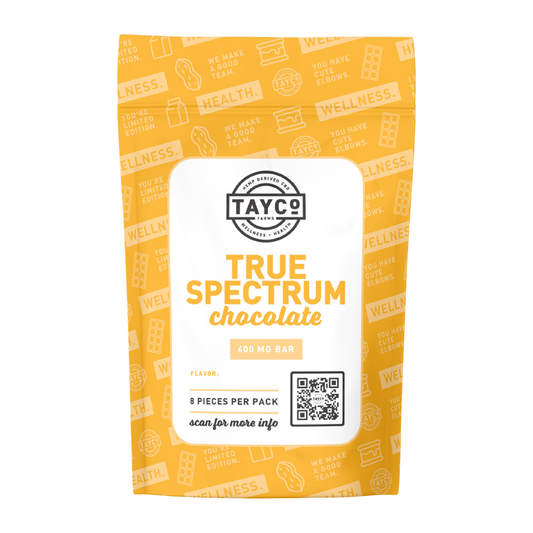
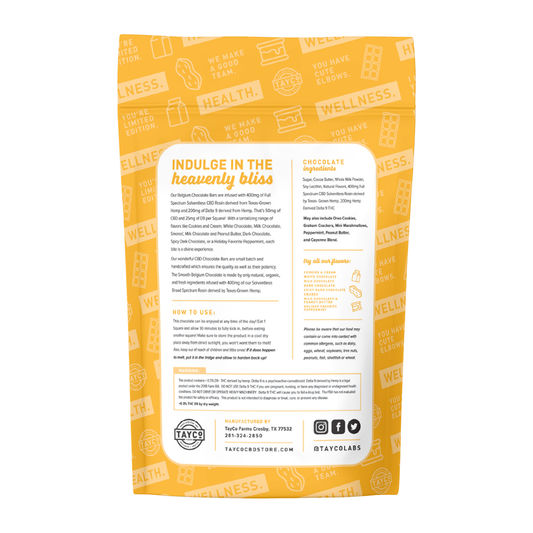
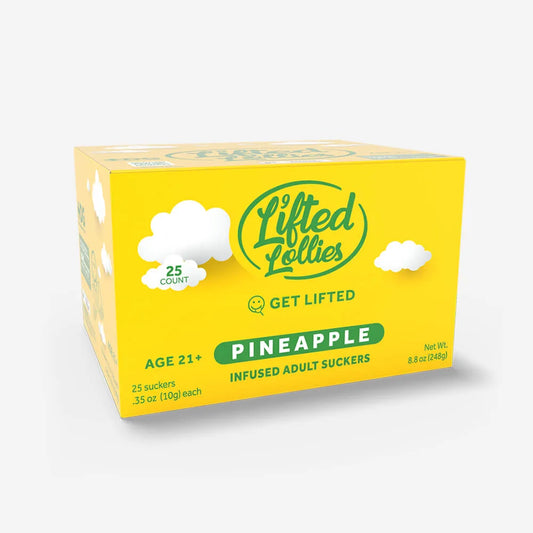
Examples you can cross-check with COAs and label math:
Reading Tincture COAs (mg on the Label vs. mg in the Bottle)
Tinctures can confuse people because brands may label:
-
Total mg in the bottle (example: 150mg Delta-9 total)
-
mg per mL (example: 5mg/mL)
-
mg per dropper (often 1mL, but not always)
When comparing tinctures, the cleanest way is:
Total mg ÷ total mL = mg per mL
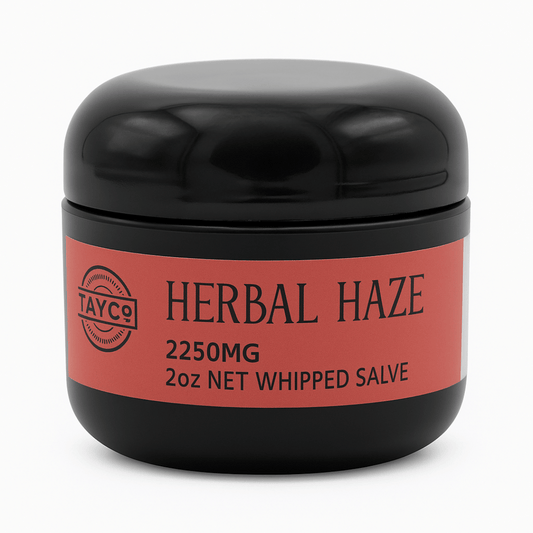
Product examples to reference while reading tincture COAs:
RSO COAs: What You Should Look For (Without Guesswork)
RSO-style products are typically valued for being cannabinoid-dense. On the COA, focus on clarity:
-
Total cannabinoid content (the main potency indicator)
-
Dominant cannabinoids (CBD, THC family, etc.)
-
Consistency between label and lab (avoid “mystery math”)
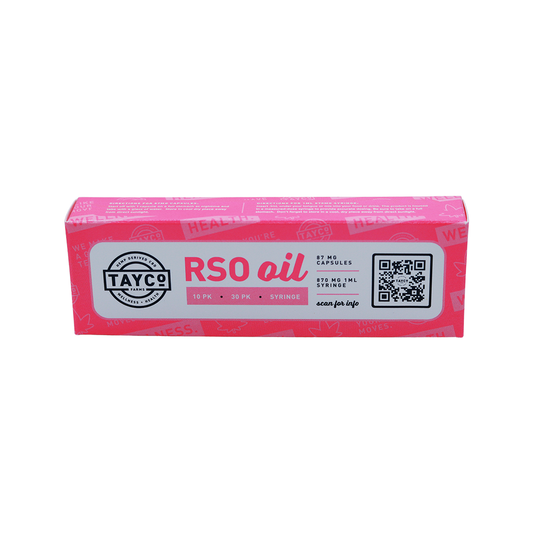
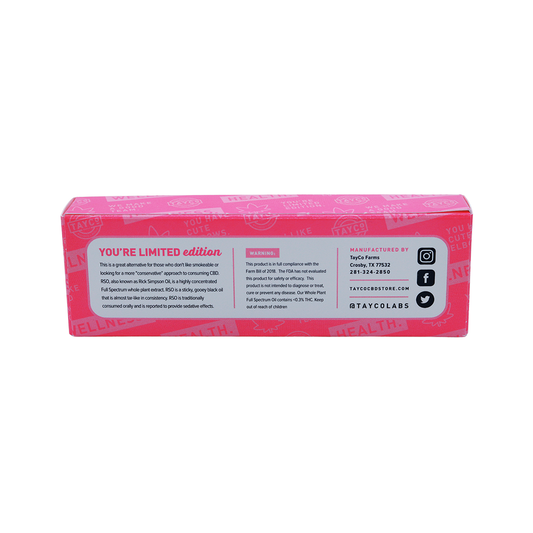
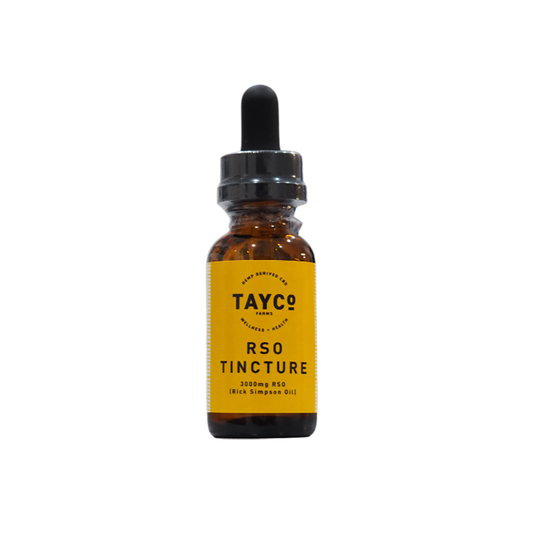
Related product pages:
Safety Panels: The “Extra Pages” People Skip (But Shouldn’t)
Depending on the product type and batch, COAs may include safety testing such as:
-
Residual solvents (more relevant for certain extraction types)
- Pesticides
- Heavy metals
- Microbials
If your COA includes these, you want to see Pass or “Not Detected” values within allowed limits (as reported by the lab).
Quick COA Checklist (Save This)
-
Batch match: product + lot + date
-
Potency makes sense: % for flower, mg for edibles/tinctures
-
Total THC math is clear: THCa conversion factor + Delta-9
-
Serving size checks out: mg per serving × servings = total mg
-
Safety pages reviewed: don’t skip the back half
Final Note on Compliance & Responsible Use
This content is for educational purposes only. Products may be hemp-derived and tested by third-party labs, but regulations and interpretations can vary. Always follow your local laws and the product’s labeled directions.
Frequently Asked Questions About Reading Hemp COAs
What does THCa mean on a hemp COA?
THCa stands for tetrahydrocannabinolic acid, the naturally occurring form of THC found in raw cannabis flower. On a COA, it represents the cannabinoid content before heat is applied. THCa itself is not Delta-9 THC, but it can convert into Delta-9 when heated.
Why does THCa percentage look higher than Delta-9 THC?
THCa is measured before conversion, so its percentage reflects potential rather than activated THC. During heating, THCa loses mass as it converts, which is why the final Delta-9 amount is lower than the original THCa percentage.
What is Total THC on a COA?
Total THC is a calculated value that estimates how much Delta-9 THC could be present after THCa converts. Labs typically calculate it using the formula: (THCa × 0.877) + Delta-9 THC.
Is Total THC the same as what I actually consume?
No. Total THC is an estimate used for labeling and compliance reference. Actual conversion depends on temperature, method of use, and efficiency of decarboxylation.
Why do flower COAs use percentages instead of milligrams?
Flower is tested by dry weight, so cannabinoids are reported as a percentage of the total sample. Edibles and tinctures are measured by volume or unit, which is why those products list milligrams instead.
How do I compare two THCa flower strains using a COA?
Percentages are useful for baseline comparison, but you should also review terpene content, batch consistency, and harvest freshness. THCa percentage alone does not indicate flavor, aroma, or overall quality.
Why do some strains consistently test higher in THCa?
Certain genetics naturally express more cannabinoids due to trichome density and cultivation style. Repeated high results usually reflect genetics and growing conditions rather than lab manipulation.
How do I read a COA for Delta-9 gummies or chocolates?
Focus on milligrams per serving, number of servings per package, and total milligrams per container. Always match those numbers to the product label to ensure consistency.
What should I check first when opening a COA?
Always confirm the product name, batch or lot number, and test date match what you’re purchasing. If the batch doesn’t match, the COA may not apply to that product.
Do all COAs include safety testing?
Not always. Safety panels vary by product type and testing requirements. When present, review results for residual solvents, pesticides, heavy metals, and microbial contaminants.
Why is learning to read a COA important?
Understanding a COA allows you to evaluate labeling accuracy, product consistency, and transparency without relying on marketing claims. It’s one of the best tools for making informed purchasing decisions.






0 comments