

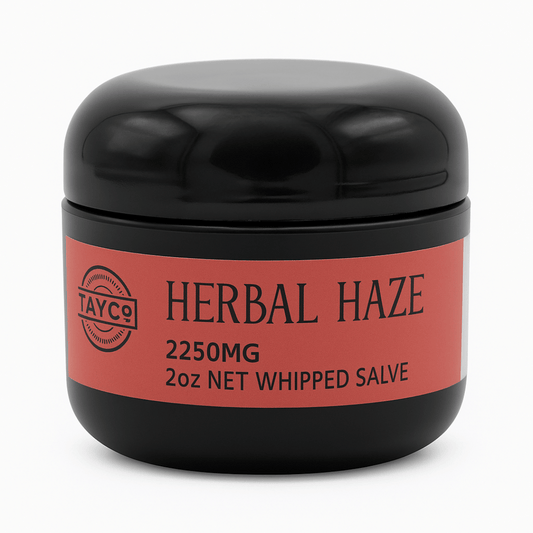

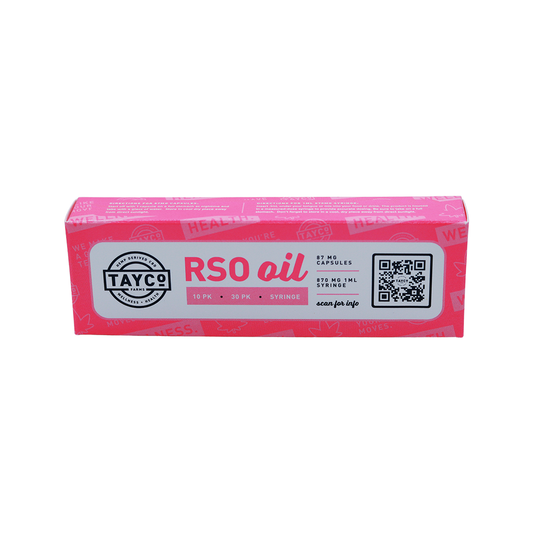
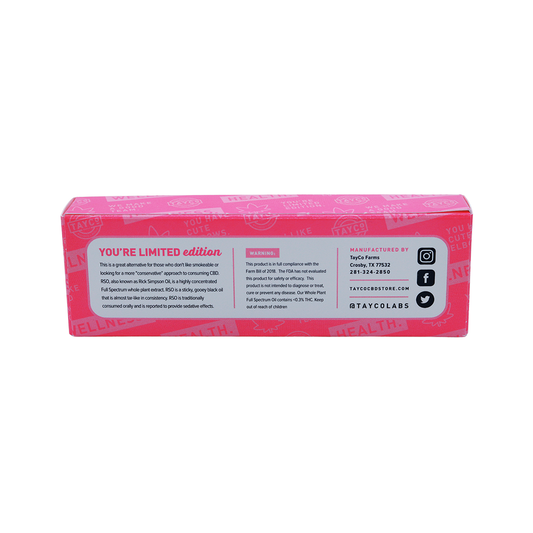
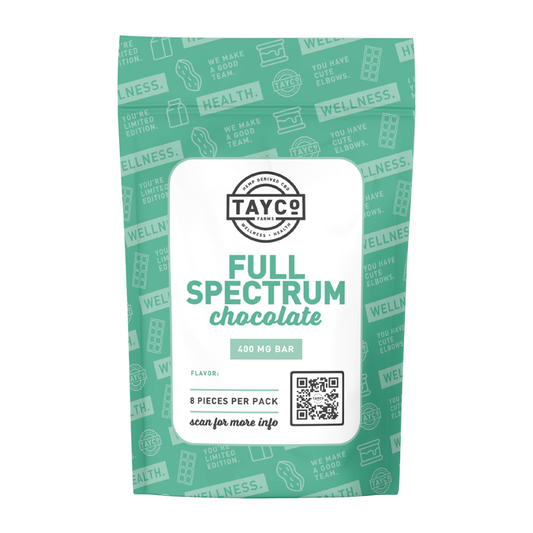



Love it great product... The only problem i had was with ordering, it took way longer then expected, But other then that product was great.
Good product. Seemed a lil dry at 1st. But was not. Good for daytime use. Would purchase again.

Walk into any hemp shop or browse online edibles and you’ll see two ingredients show up again and again: RSO and live rosin. Both sound premium. Both get tossed around like buzzwords. And both are wildly misunderstood when it comes to edibles.
This article breaks down how RSO and live rosin are made, how they behave once infused into food, and—most importantly—which one actually makes sense for edibles depending on your goal. No hype, no medical claims, just chemistry, formulation logic, and consumer clarity.
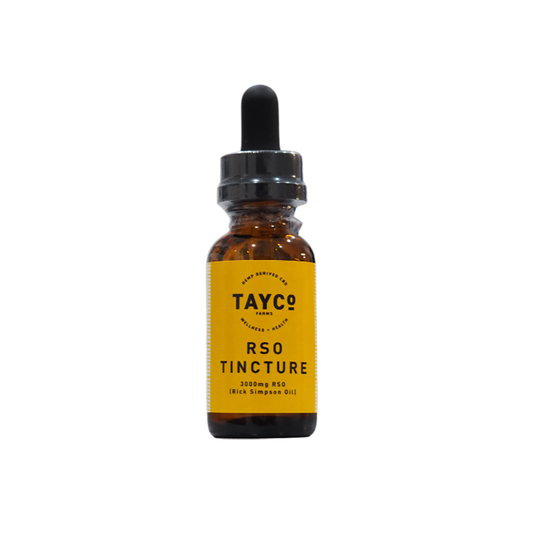
RSO, short for Rick Simpson Oil, is a full-plant extract that captures cannabinoids, waxes, lipids, and plant compounds in one dense oil. In hemp-derived products, RSO is typically made from compliant flower using ethanol extraction, followed by solvent removal.
The result is a thick, dark oil that’s highly concentrated and extremely versatile for formulation.
Why edibles manufacturers love RSO:
It blends easily into fats like coconut oil or cocoa butter
It distributes evenly across batches
It delivers consistent cannabinoid concentration
It scales well for production
RSO isn’t about flavor or aroma. It’s about efficiency and consistency, which is exactly what edible producers need when they’re dosing hundreds or thousands of units.
Live rosin is a solventless extract, created by applying heat and pressure to fresh-frozen cannabis or hemp flower. Because there are no solvents involved, live rosin preserves a rich terpene profile and a softer, more aromatic texture.
In flower or dabs, that terpene preservation is a huge advantage. In edibles? It’s more complicated.
Challenges of using live rosin in edibles:
Terpenes degrade quickly when heated during cooking
Rosin doesn’t dissolve as evenly in edible fats
Batch consistency is harder to control
Flavor can overpower the edible itself
Live rosin shines when it’s consumed directly. In edibles, many of its best qualities are lost during infusion and baking.
Edibles live and die by dose accuracy. If one gummy hits harder than another, the product fails—regardless of how “premium” the extract sounds.
RSO excels here because:
It’s homogeneous
It blends predictably into carrier oils
It maintains cannabinoid stability during cooking
Live rosin, by contrast, can separate or degrade unevenly when exposed to prolonged heat. That doesn’t make it bad—it just makes it less reliable for large-scale edible formulation.
There’s a myth that terpene-rich extracts automatically make better edibles. In practice, that’s rarely true.
In chocolates, gummies, or baked goods:
Terpenes often clash with sweet profiles
Heat destroys much of the aroma anyway
Strong plant notes can overwhelm the edible
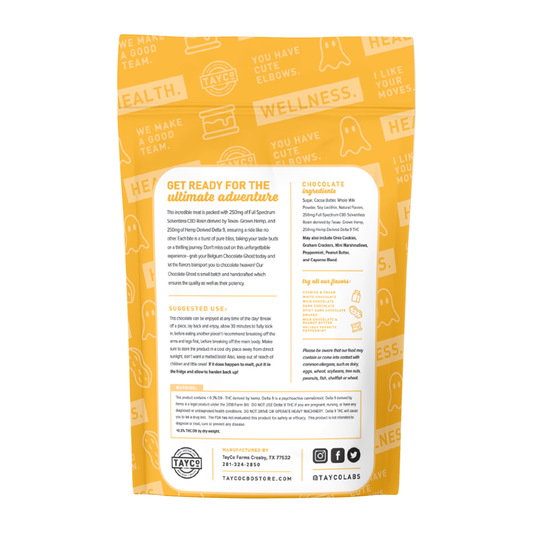
RSO’s neutral, earthy base is easier to mask or balance, which is why it’s commonly used in chocolates and gummies where flavor consistency matters.
Another overlooked factor is how the edible holds up over time.
RSO-based edibles:
Maintain potency longer
Resist separation
Handle temperature changes better
Live rosin-based edibles:
Are more sensitive to heat and light
Can lose terpene integrity over time
Require tighter storage controls
For brands shipping nationwide or stocking retail shelves, stability isn’t optional—it’s foundational.
There’s no universal winner, but there is a clear use-case split:
RSO is better when:
Consistent dosing matters
Scaling production is required
Flavor control is important
Shelf life needs to be reliable
Live rosin makes sense when:
The edible is small-batch or specialty
Terpene flavor is the selling point
Heat exposure is minimal
The product is consumed fresh
Most high-performing hemp edibles on the market lean toward RSO or RSO-style full-spectrum extracts for a reason—it simply works better in food.
“Live,” “solventless,” and “true spectrum” all sound impressive—but without context, they don’t mean much.
What actually matters:
How the extract behaves in food
Whether dosing is consistent
How it holds up during storage
Whether the label matches the lab results
Understanding the difference between RSO and live rosin helps consumers make informed choices, not just trendy ones.
Not inherently. Strength depends on concentration and formulation. RSO is easier to dose consistently, which often makes it feel more reliable.
Sometimes—but terpene flavor can overpower sweets, and much of the aroma is lost during cooking.
Not automatically. Solventless refers to extraction method, not performance in food.
Because RSO blends evenly, holds potency, and scales well for consistent dosing.
Heat can degrade terpenes and alter texture, which reduces the advantages live rosin has in other formats.
Yes. RSO typically contains a wide range of cannabinoids and plant compounds, depending on the source material.
No comments


You must be 21 or older to enter this site.
By entering, you agree that you are of legal age.
All hemp flower products sold by Tayco Farms are compliant with applicable federal and Texas state regulations, including Total THC (THCA + Δ9-THC) limits as defined by law.
These products are intended solely for lawful purposes, including but not limited to home infusion, extraction, and other non-inhalation uses.
By purchasing, you acknowledge and agree that:
Tayco Farms makes no representations regarding use outside of compliant, intended purposes. Any misuse of these products is done at the sole discretion and liability of the purchaser.
0 comments