If you’ve ever purchased the same strain name twice and noticed differences in aroma, flavor, or overall character, you’re not imagining things. This happens because strain names describe genetics—but chemotypes describe chemistry. And chemistry is what actually defines the flower in your jar.
This guide breaks down the difference between strain names and chemotypes, why THCa flower like Ice Caps can vary batch to batch, and how to read labels and lab reports with confidence instead of relying on names alone.
What a Cannabis Strain Name Really Means
A strain name is a cultivar identifier. It’s typically assigned by a breeder or grower to represent lineage, phenotype selection, or a recognizable genetic family. While strain names are helpful for categorization, they do not guarantee identical chemical output every time.
Over multiple harvests, the same strain name can exist across different phenotypes, grows, or environments—each producing slightly different cannabinoid and terpene expressions.
What a Chemotype Is (And Why It Matters More)
A chemotype classifies cannabis based on its chemical profile, not its genetics alone. In THCa flower, a chemotype is defined by:
- Primary cannabinoids (THCa dominance, minor cannabinoids)
- Terpene composition and ratios
- Total cannabinoid concentration
Two flowers with the same strain name can belong to different chemotypes if their chemistry differs—even when grown from similar genetics.
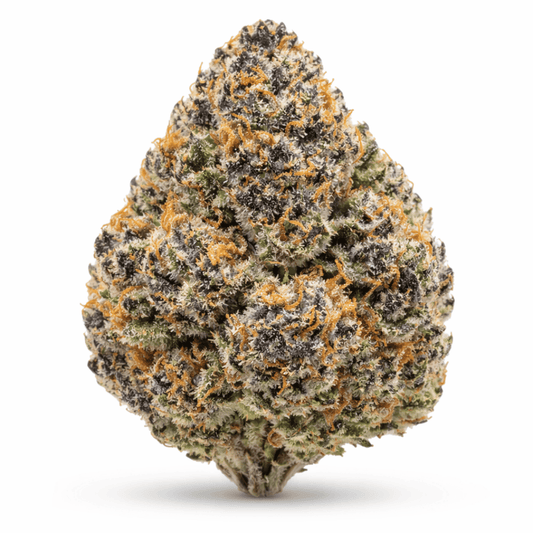
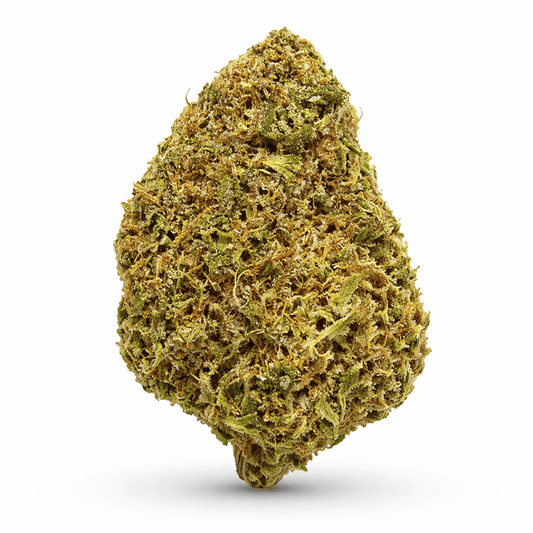
Why Ice Caps Isn’t Always the Same
Ice Caps is a good example of how strain names function as a reference point rather than a fixed formula. Differences can appear due to:
- Phenotype variation selected during cultivation
- Environmental conditions such as light spectrum, temperature, and humidity
- Harvest timing and trichome maturity
- Curing duration and post-harvest storage
Even small shifts in these variables can alter terpene expression or cannabinoid balance while the strain name remains unchanged.
Why THCa Percentage Alone Doesn’t Define Consistency
Many buyers use THCa percentage as a shortcut for quality comparison. While it’s a useful data point, it doesn’t capture the full picture.
Two Ice Caps batches might both test around the same THCa percentage, yet differ noticeably in aroma or flavor due to terpene loss, terpene dominance shifts, or curing variance.
Terpenes: The Missing Piece Most People Ignore
Terpenes are volatile aromatic compounds that contribute to a flower’s scent and flavor profile. They’re also highly sensitive to:
- Heat exposure
- Oxygen
- Light
- Time
This is why terpene percentages—and which terpenes dominate—often explain differences between batches better than THCa alone.
How to Compare Two Batches of the Same Strain
If you’re choosing between two Ice Caps batches or evaluating repeat purchases, focus on:
- THCa percentage (baseline only)
- Dominant terpenes listed on the COA
- Total terpene percentage
- Harvest and test dates
- Storage conditions post-harvest
These factors provide a clearer understanding of how one batch may differ from another.
Why Chemotype Literacy Matters for Buyers
Understanding chemotypes shifts buyers away from chasing names and toward evaluating real, measurable data. This reduces surprises and leads to more consistent purchasing decisions.
It also explains why a strain you enjoyed previously might feel different later—chemistry evolves, even when genetics stay familiar.
Strain Names Still Have Value (When Used Correctly)
Strain names aren’t useless. They provide shorthand for lineage and expected characteristics. But they work best when paired with lab data that confirms how the plant actually expressed during that harvest.
The combination of strain name and chemotype offers the most accurate snapshot of what’s inside the jar.
Frequently Asked Questions About Strains and Chemotypes
Why does the same strain smell different sometimes?
Differences in terpene expression, curing, and storage can all affect aroma—even when the strain name stays the same.
Does higher THCa mean better quality?
Not necessarily. THCa percentage reflects cannabinoid density, but it doesn’t measure terpene preservation, freshness, or overall balance.
Are strain names regulated?
Strain names are not strictly regulated across the hemp industry, which is why lab data is more reliable than names alone.
How can I tell if two batches are similar?
Compare COAs side by side, paying attention to dominant terpenes, total terpene percentage, and test dates.
Is chemotype more important than genetics?
Chemotype reflects the end result of genetics, environment, and handling. For buyers, it’s often the more useful indicator.
The Bottom Line
Ice Caps—and any strain—should be viewed as a category rather than a constant. Learning to evaluate chemotypes alongside strain names leads to smarter decisions rooted in chemistry instead of assumptions.






0 comments