If you’ve seen $99 THCa ounces online and wondered how that price is even possible, you’re not alone. The answer isn’t shady shortcuts or mystery flower—it’s a mix of production economics, batch strategy, and how hemp flower is graded before it ever reaches a jar.
This guide explains why lower-priced THCa ounces exist, what typically changes at that tier, and how to evaluate value without assuming that cheaper automatically means lower quality.
The Reality of Pricing in THCa Flower
THCa flower pricing isn’t arbitrary. It’s shaped by factors like yield, harvest timing, batch size, and market demand. When you see a $99 ounce, you’re usually looking at flower that fits a specific pricing lane—not a completely different product category.
In other words, price reflects positioning, not just potency.
What Typically Changes at the $99 Ounce Tier
Lower-priced ounces usually differ in presentation and selection, not legality or basic standards. Common differences include:
-
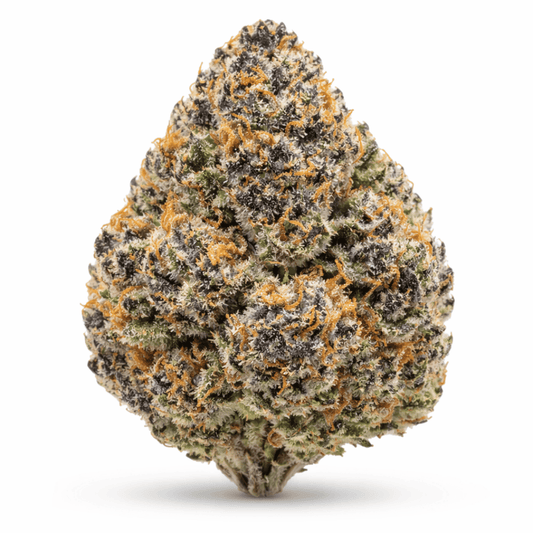
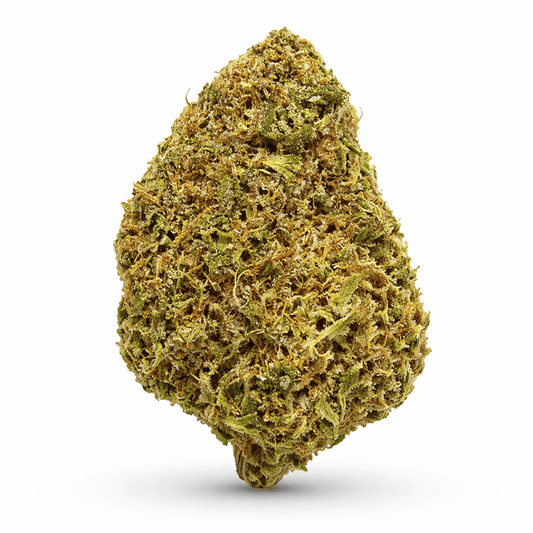
Smaller bud structure (less “bag appeal,” same genetics)
-
Older harvest batches that are still within quality windows
-
Higher-yield cultivars that scale efficiently
-
Bulk packaging instead of premium single-eighth presentation
None of these factors automatically mean the flower is weak or unusable—they simply change how the product is positioned.
What Usually Does Not Change
Despite common assumptions, $99 ounces typically maintain the same baseline standards as higher-priced flower:
- Third-party lab testing
- Hemp compliance thresholds
- Identifiable genetics and strain lineage
- Standard curing and drying processes
The difference is refinement, not legitimacy.
Why High THCa Percentages Still Show Up on Budget Ounces
Potency alone doesn’t dictate price. Some cultivars naturally produce high THCa percentages while also yielding large harvests. When a farm runs a strong batch at scale, the per-unit cost drops—making lower-priced ounces possible without sacrificing cannabinoid content.
This is why you’ll sometimes see budget ounces testing in the mid-to-high 20% THCa range alongside more premium SKUs.
The Trade-Off Most People Don’t Notice: Terpenes
The biggest difference between budget ounces and top-shelf flower is often terpene preservation.
As flower sits longer or is handled in bulk, volatile aromatic compounds slowly dissipate. The flower may still test strong for cannabinoids, but aroma and flavor can soften over time.
This doesn’t make the flower “bad”—it simply changes the experience profile.
Who $99 THCa Ounces Are Actually For
Lower-priced ounces make sense for buyers who:
- Prefer bulk purchasing over boutique presentation
- Use flower consistently rather than occasionally
- Value cannabinoid content over visual perfection
- Want a cost-efficient way to explore different strains
They’re not a downgrade—just a different use case.
How to Evaluate a $99 Ounce the Right Way
Instead of judging purely on price, focus on:
-
COA clarity (THCa %, Delta-9 %, batch info)
- Harvest and test dates
-
Storage conditions after purchase
-
Strain consistency across batches
These factors tell you far more than the number on the price tag.
Why Price Transparency Matters More Than Ever
As the THCa market matures, pricing tiers are becoming clearer. Brands that explain why a product is positioned at a certain price build more trust than those that rely on hype or inflated potency claims.
Understanding how $99 ounces fit into the broader flower ecosystem helps buyers make informed decisions—without assuming cheaper means compromised.
The Bottom Line
$99 THCa ounces exist because hemp flower pricing is shaped by scale, selection, and timing—not shortcuts. When evaluated correctly, they can offer strong value for the right buyer, as long as expectations match the tier.






0 comments